Pakistan, Saudi Arabia discuss Pak-China peace plan for Middle East
ToS:
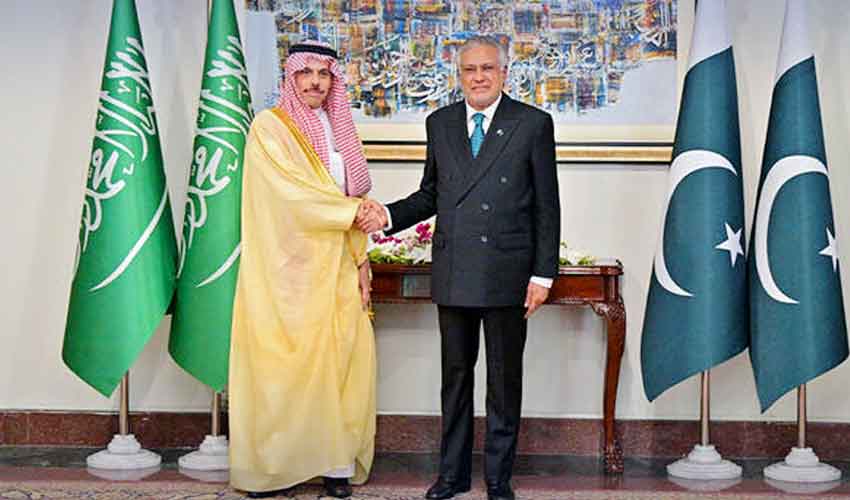
Islamabad:Foreign Minister Ishaq Dar on Friday held an important telephone conversation with Saudi Foreign Minister Prince Faisal bin Farhan to discuss efforts aimed at easing escalating tensions in the Middle East, including a joint peace initiative backed by Pakistan and China.
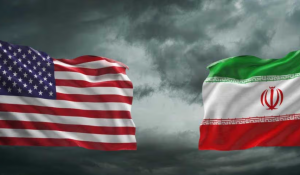
The conversation comes amid an intensifying regional crisis triggered by the ongoing US-Israeli war on Iran, which continues to disrupt global stability and energy markets.
During the call, both leaders exchanged views on the rapidly evolving regional situation and emphasized the “urgent need for de-escalation and dialogue,” according to Pakistan’s Foreign Office.
A key focus of the discussion was the Pakistan-China Five-Point Initiative aimed at restoring peace in the Gulf and wider Middle East.
The Saudi Press Agency also confirmed the talks, noting that both sides reviewed “brotherly relations” and agreed to maintain close coordination and consultation amid the crisis.
What is Pak-China five-point plan?
The peace proposal, jointly presented by Beijing and Islamabad earlier this week during Ishaq Dar’s visit to China, outlines a roadmap to calm tensions.
The five key points include:
- Immediate ceasefire
- Launch of peace negotiations
- Protection of civilian and commercial infrastructure
- Security of vital shipping routes
- Adherence to the United Nations Charter
The initiative follows Pakistan’s recent diplomatic push, including hosting quadrilateral talks with Saudi Arabia, Türkiye, and Egypt to reduce regional tensions.
The conflict began on February 28 with coordinated strikes by the United States and Israel on Iran, followed by strong retaliation from Tehran. Since then, the situation has escalated sharply:
- More than 1,340 people have reportedly been killed, including Iran’s Supreme Leader Ali Khamenei
- Iran has launched drone and missile attacks targeting Israel, as well as Jordan, Iraq, and Gulf states hosting US military assets
- Tehran has effectively halted shipping through the Strait of Hormuz, a key route for nearly 20% of global oil trade
This disruption has sent shockwaves through global energy markets, raising concerns about fuel prices and economic stability worldwide.
Pakistan as ‘bridge builder’
Amid the escalating crisis, Pakistan has reiterated its intention to act as a “bridge builder” to promote dialogue and peace in the region.
The latest call between Islamabad and Riyadh underscores growing diplomatic coordination between the two allies, especially after signing a landmark defense pact in September last year, under which aggression against one country would be considered an attack on both.
Both foreign ministers reaffirmed their countries’ “strong, fraternal ties” and agreed to stay in close contact as the situation unfolds.
The phone call comes at a critical time, as efforts to contain the conflict grow increasingly complex due to its regional spillover. The war is set to enter its fifth week on April 4, with US President Donald Trump promising a swift end to military operations — though no clear timeline has been provided.
With tensions still high, Pakistan and China’s joint peace proposal is emerging as a key diplomatic effort to prevent further escalation in the Middle East.