Trump shares draft Iran peace deal with Israel, allies
Tos:
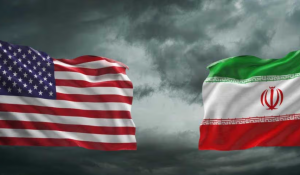
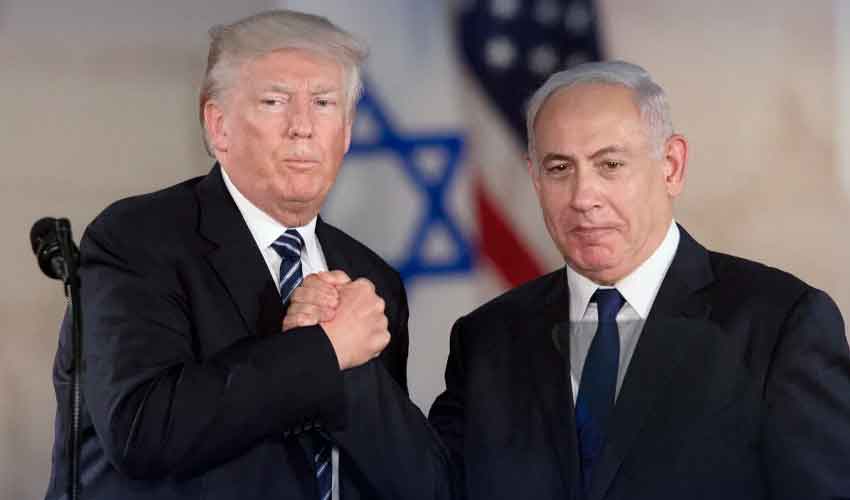
Islamabad: US President Donald Trump has shared a draft peace proposal on the Iran conflict with key allies, including Israel, as Washington and Tehran push to preserve a fragile ceasefire and avoid renewed tensions.
The proposed agreement comes amid ongoing diplomatic efforts between the United States and Iran following recent ceasefire violations that threatened to derail negotiations.
Foreign Minister Ishaq Dar is set to fly to Washington on Friday to meet US Secretary of State Marco Rubio. The visit is aimed at speeding up indirect negotiations between the United States and Iran.
Pakistan and Qatar have been mediating contacts between the two sides, and so far, skirmishes have not stopped the diplomatic channel.
The situation remained tense after Tehran targeted a US airbase in Kuwait on Thursday. The strike came after Washington attacked what it described as an Iranian drone operation near the Strait of Hormuz.
The exchange highlighted the fragile nature of the ceasefire agreed on April 8, with both negotiating teams refusing to give ground on final points of disagreement.
Trump wants more time before approval
Trump’s cabinet had been expected to discuss the proposed agreement on Wednesday. However, Axios reported that the US president said he needed a few more days to think about the deal.
US Vice President JD Vance said Thursday that both sides were close, but not yet ready to finalize the memorandum of understanding.
What the draft agreement includes
The draft shared by Trump is reportedly not very different from the version that has been circulating across the Middle East for several days. Under the proposal, the Strait of Hormuz would reopen to commercial shipping.
The United States would lift its blockade of Iranian ports, while Iran would gain access to as much as $12 billion in frozen assets.
The draft aims to restore commercial shipping in the Strait of Hormuz to pre-war levels within 30 days. The strait has been a central flashpoint because of its importance to global energy flows and regional security.
Oil prices climbed 2% on Thursday morning but remained below $100 a barrel.
Nuclear talks would last up to 60 days
The agreement would also open negotiations on the future of Iran’s nuclear program, expected to last up to 60 days.
These talks would include discussions on Iran’s stockpile of highly enriched uranium, a time-limited suspension of further enrichment and supervision by the International Atomic Energy Agency, the UN nuclear watchdog.
Iran would also renounce the use of nuclear weapons under the draft.
JD Vance said the two sides were still negotiating language on several unresolved issues.
“It’s hard to say exactly when or if the president is going to sign the [memorandum of understanding]. We’re going back and forth on a couple of language points,” Vance said.
He added that the sticking points include Iran’s enriched uranium stockpile and the question of enrichment.
China wants UN Security Council approval
China is pressing for the UN Security Council to ratify any agreement reached between Washington and Tehran. Such a move could give the deal wider international backing.
However, the current scope of the draft is expected to be deeply unpalatable for Israel.
Israel likely to oppose key parts of draft
The agreement would delay firm nuclear commitments from Iran and would require a permanent ceasefire to include Lebanon.
These provisions are expected to cause concern in Israel, which has long pushed for stronger restrictions on Iran’s nuclear program and regional activity. The draft is also less specific than Tehran’s version on lifting sanctions on Iran’s oil and petrochemical exports.
The draft asserts toll-free navigation through the Strait of Hormuz. Iran, however, is trying to negotiate a separate agreement with Oman that would impose fees for “navigational services.”
Trump threatened on Wednesday to “blow up” Oman if Muscat reached a deal with Tehran that included tolls, remarks that drew no official response from Oman.
IRGC reasserts control of the strait
The Islamic Revolutionary Guard Corps navy issued a statement reasserting its control over the Strait of Hormuz. It said 26 commercial ships and oil tankers had been allowed to pass through the waterway in the past 24 hours.
The IRGC said seeking permission is mandatory and that passage through other routes would be considered a disruption. It also said it intervened Wednesday night to stop four ships attempting to sail through the strait with their transponders off. Two were stopped in place, while two were forced to turn back
The indirect talks have continued despite skirmishes between the United States and Iran. However, if oil tanker operators increase attempts to pass through the Strait of Hormuz without Iranian permission, the fragile ceasefire could collapse.
The disputed control of the waterway remains one of the most dangerous issues in the negotiations.
Iran demands release of frozen assets
In Moscow, Iran’s Deputy Foreign Minister Ali Bagheri repeated Tehran’s demand that frozen assets be released into Iranian bank accounts with no conditions attached.
Washington has responded by imposing sanctions on Iran’s newly formed Persian Gulf Strait Authority, which was created to manage vessel passage through the waterway.
Tehran has been trying to secure Oman’s agreement to coordinate the arrangement.
US threatens sanctions over toll system
US Treasury Secretary Scott Bessent warned Thursday that Washington would target Oman if it helped impose a toll system in the Strait of Hormuz. He said sanctions could be imposed on any countries involved in such a system.
The warning added pressure on Oman, which has traditionally played a mediation role in Middle East diplomacy.
As tensions grow inside Iran over whether to negotiate with Trump, Supreme Leader Mojtaba Khamenei urged officials not to turn differences into divisions. He also called on parliament, which is currently closed, to focus on the public’s economic concerns.
Khamenei accused the United States and Israel of trying to “bring the country to its knees,” saying the enemy’s plan was to create division and destruction to compensate for military defeats.
Oman reportedly angered by Trump threat
Senior diplomats in Oman were reportedly shocked and furious over Trump’s threat. Oman is widely seen as a Western ally and a key mediator in the Middle East.
Although Muscat has been in talks with Iran over the future of the Strait of Hormuz, it does not favor tolls or heavy-handed Iranian interference in free navigation.
Omani newspapers did not report Trump’s threat.
Amnesty International said Iranian authorities have arrested more than 6,000 people since the United States and Israel launched their offensive on February 28.
Those detained include protesters, journalists, lawyers, human rights defenders, dissidents and members of ethnic and religious minorities. The arrests point to continuing repression inside Iran even as diplomatic efforts continue abroad.